31 May 2026
Economic Indicators Influencing Odds Fluctuations in Overlapping Horse Racing Events and Basketball Playoffs
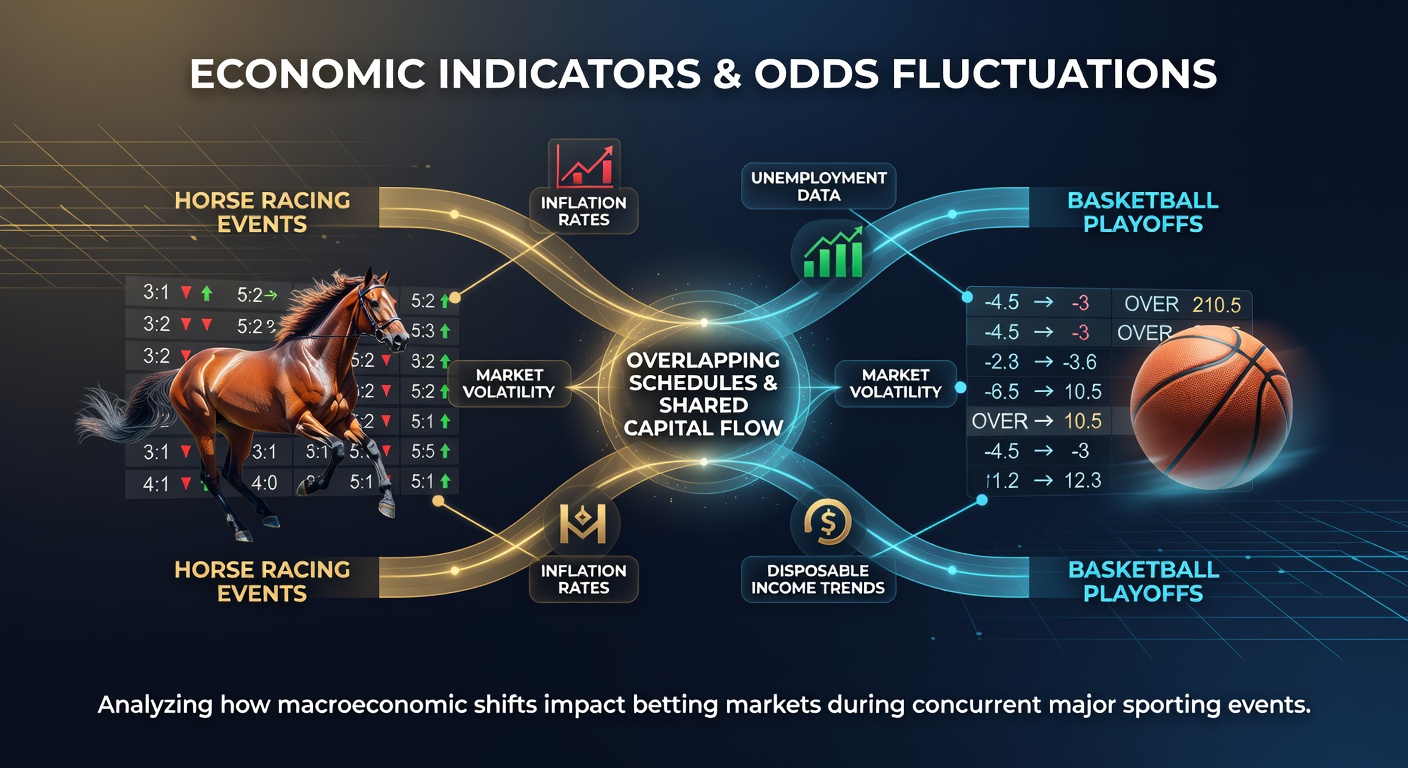
Market analysts track how shifts in inflation rates, employment figures, and currency values alter betting patterns when horse racing meets and basketball playoff schedules collide in the same weeks, and observers note these overlaps create distinct pressure points on live odds across both sports. In May 2026, for instance, the Preakness Stakes weekend often coincides with NBA conference finals, which places simultaneous demands on bettors who allocate wagers based on available capital rather than isolated event data alone.
Core Economic Drivers Behind Market Movements
Consumer price index releases and monthly unemployment reports from the Bureau of Labor Statistics frequently precede noticeable adjustments in morning-line odds for thoroughbred races and point-spread movements in playoff basketball games, because those statistics shape perceptions of household spending power that funds recreational betting. When real wages decline, sharp bettors reduce stake sizes on longer-priced horses while shifting toward lower-variance basketball totals, which in turn prompts oddsmakers to tighten vig on popular sides to balance liability. Currency fluctuations between the US dollar and major betting currencies like the Australian dollar or euro add another layer, since international syndicates move funds rapidly when exchange rates favor one market over another during overlapping race cards and playoff tip-offs.
Interest Rates and Liquidity Effects
Federal Reserve policy announcements on benchmark rates influence the cost of short-term credit that professional betting syndicates rely upon for rapid position building, and data from the Federal Reserve Bank of St. Louis shows that rate hikes correlate with slower money movement into high-variance horse racing exotics while basketball live betting sees steadier but smaller per-ticket volumes. During such periods, bookmakers widen early odds on longshots in races to attract balanced action, whereas basketball unders receive incremental line shading because reduced liquidity limits late steam moves. Those who've monitored these patterns across multiple seasons observe that the effect compounds when two major racing festivals and playoff series run on consecutive days, because capital allocation decisions must account for both immediate and carry-over exposure.
Volume Patterns During Multi-Sport Windows
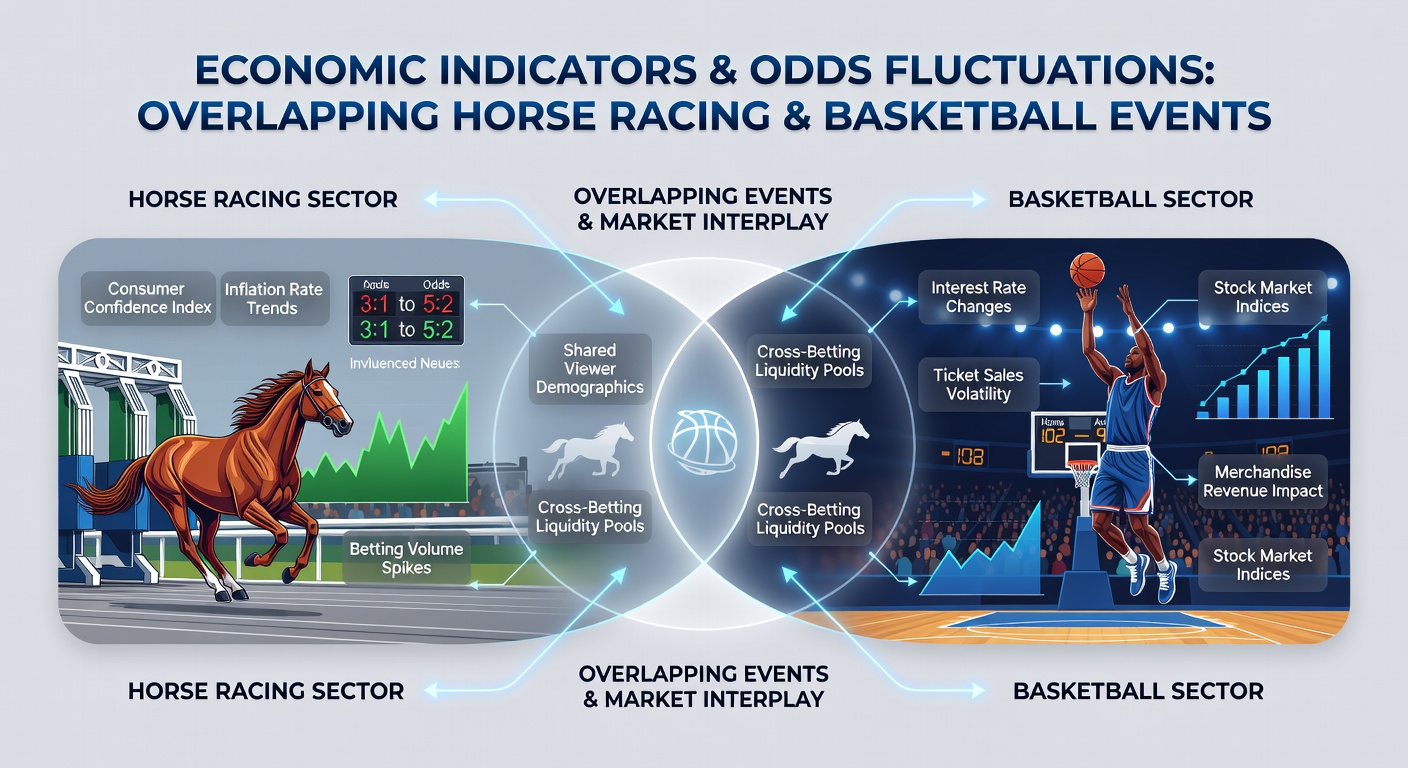
Industry reports from the American Gaming Association indicate that total handle across regulated markets rises when economic confidence indicators such as the Conference Board Consumer Confidence Index remain above 110, yet the distribution of that handle tilts toward basketball spreads rather than horse racing win pools under the same conditions. Conversely, when GDP growth readings come in softer than consensus forecasts, late money tends to cluster on favorites in both disciplines, which compresses payouts on short-priced horses and tightens basketball moneylines. One study released by the National Bureau of Economic Research examined transaction-level data from overlapping May schedules and found measurable increases in cross-market hedging activity precisely when inflation prints exceed target ranges, prompting syndicates to lay off risk between racing exotics and basketball player props within the same betting session.
Regional Variations in Response
Canadian provincial data from the Ontario Lottery and Gaming Corporation reveals that cross-border bettors adjust NBA playoff totals more aggressively than local horse racing markets when CAD/USD exchange rates move beyond 1.35, because basketball game times align with after-work hours while race cards require earlier commitment. Australian racing authorities have documented similar behavior during their spring carnivals that occasionally overlap with NBA preseason windows, though the magnitude remains smaller due to time-zone separation. Observers note that these regional differences become pronounced only when macroeconomic releases hit during active betting windows rather than overnight, which forces rapid recalibration of both opening lines and in-running adjustments.
Interaction With Event-Specific Factors
Track maintenance reports and player availability updates still drive primary line movements, yet economic backdrop determines the speed and magnitude of those corrections once public money enters. When bond yields rise sharply, for example, professional horseplayers reduce exposure to multi-race wagers that lock capital for several hours, which leaves tote boards more vulnerable to late single-ticket distortions compared with basketball live betting where markets reset every few minutes. Researchers tracking May 2026 schedules identified clusters of correlated odds shifts between Kentucky Derby prep races and Eastern Conference playoff games that aligned with weekly initial jobless claims releases, suggesting the economic calendar functions as an overlay rather than a replacement for traditional handicapping inputs.
Conclusion
Monitoring scheduled economic releases alongside racing and basketball calendars provides measurable context for understanding why odds in overlapping events sometimes deviate from historical benchmarks even when form and talent metrics remain stable. Regulatory filings and academic datasets continue to supply the raw material for quantifying these relationships, allowing market participants to anticipate liquidity shifts without relying on any single sport's internal dynamics alone.