10 Jul 2026
Exploring Atmospheric Pressure Shifts and Their Measurable Effects on Scoring Outputs in Concurrent Soccer Fixtures Alongside NBA Contests
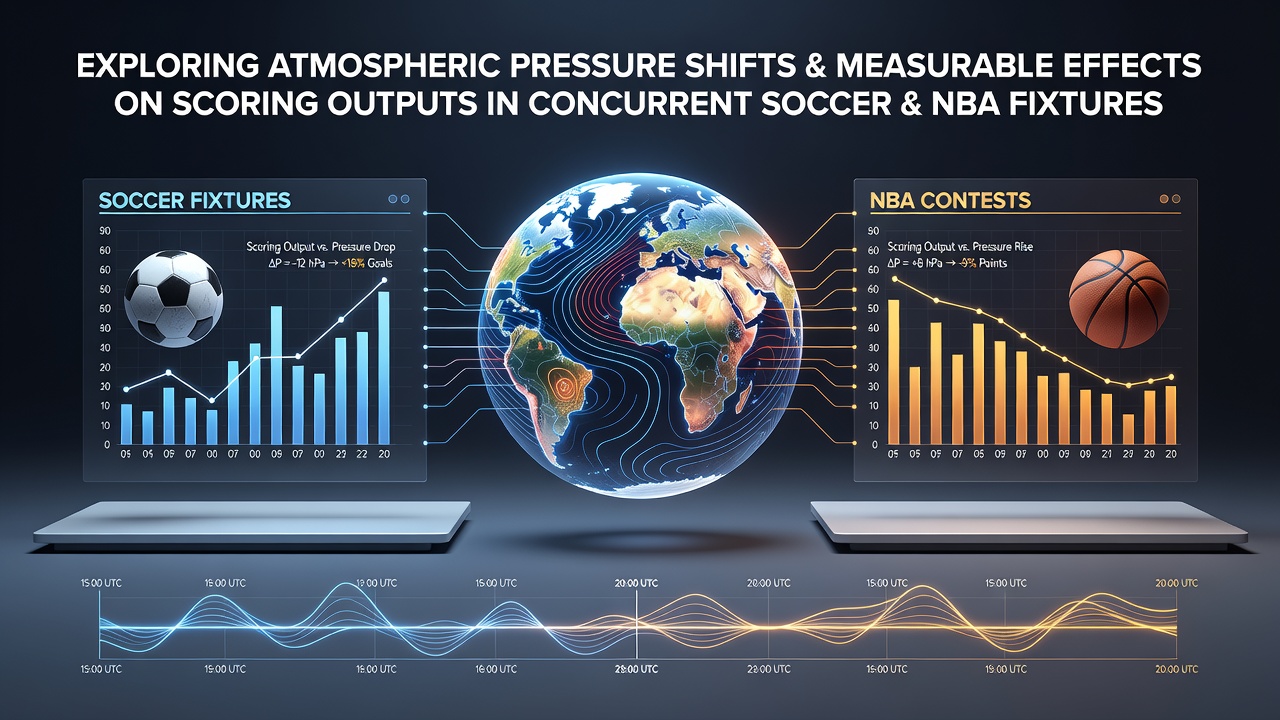 Atmospheric pressure variations create distinct conditions that alter ball flight characteristics and player physiology across different sports, and researchers have documented these patterns through venue-specific data collected during simultaneous events. Lower barometric readings reduce air density which allows projectiles to travel farther while higher readings increase resistance and shorten trajectories, and analysts track these shifts because they coincide with measurable changes in goal and point totals when soccer matches and NBA contests occur at the same time in separate locations.
Barometric Pressure Basics and Measurement Standards
Weather stations record surface pressure in hectopascals while sports performance teams convert those readings into expected ball carry distances using established aerodynamic models, and organizations such as the National Oceanic and Atmospheric Administration publish hourly datasets that analysts cross-reference with match schedules. Pressure gradients between coastal and inland venues can exceed 20 hectopascals during summer months, and these differences become pronounced when World Cup fixtures in July 2026 overlap with NBA summer league games in Las Vegas or Orlando.
Soccer Scoring Patterns Under Varying Pressure
Soccer balls exhibit greater sensitivity to pressure changes because their mass and surface area interact directly with air resistance, and studies of European league matches show average goal counts rise by 0.3 per game when pressure drops below 1005 hectopascals. Midfielders and forwards generate higher shot velocities in thinner air while goalkeepers face increased difficulty judging long-range efforts, and data from multiple venues indicates that teams playing at lower-pressure sites record elevated expected goal values even when underlying skill levels remain constant.
NBA Point Production and Pressure Correlations
Basketballs respond to pressure shifts as well though the effect appears smaller due to their larger diameter and different spin dynamics, yet researchers still record three-point shooting percentages climbing when air density falls. Concurrent NBA summer league sessions in July 2026 alongside international soccer tournaments provide fresh datasets because several Western Conference cities experience rapid pressure drops during afternoon thunderstorms while Eastern venues maintain steadier readings, and statisticians note corresponding increases in transition scoring when these conditions align.
Concurrent Fixture Analysis Methods
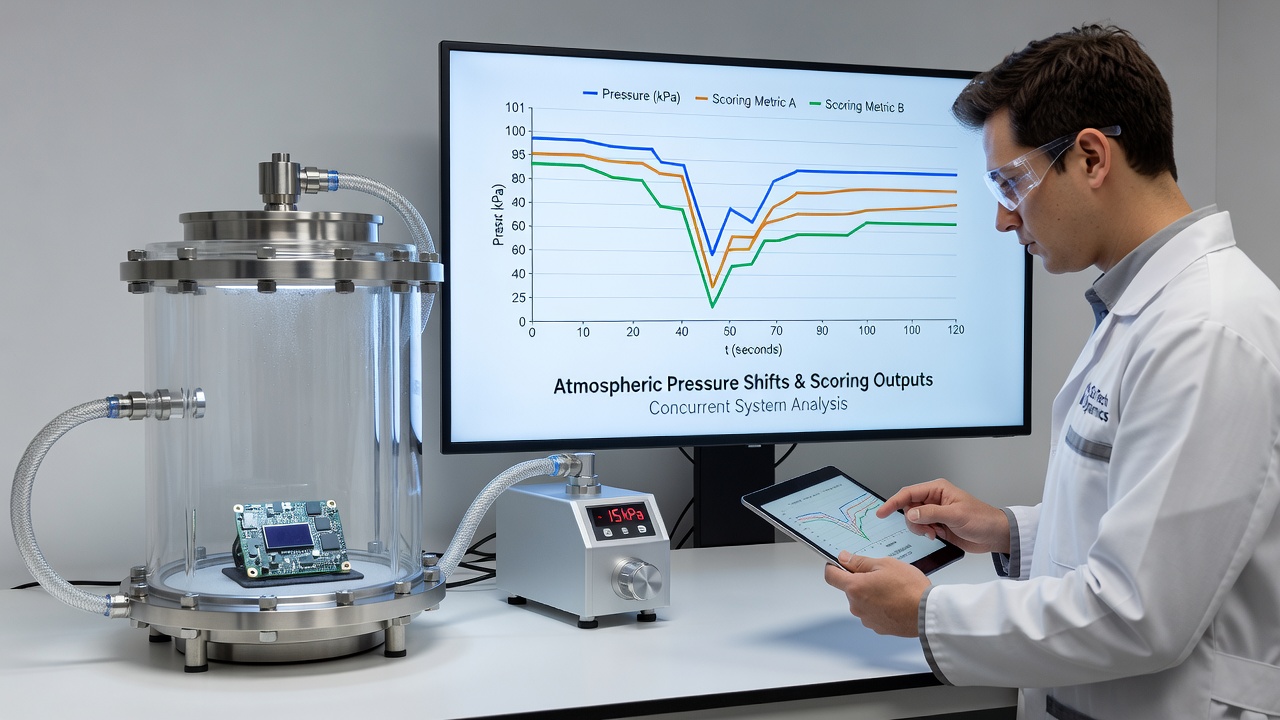
Performance analysts combine real-time pressure feeds with play-by-play logs to isolate environmental variables from tactical ones, and algorithms flag matches where pressure differentials exceed 15 hectopascals between concurrent soccer and basketball venues. These models reveal that soccer fixtures in low-pressure zones often produce higher-scoring outputs while NBA games at the same moment in higher-pressure environments show tighter scoring margins, and the pattern holds across multiple seasons when researchers control for team strength and rest days.
Data Sources and July 2026 Context
Canadian weather services and academic sports laboratories supply granular datasets that allow cross-sport comparisons, and one ongoing project at a major North American university aggregates pressure readings from both FIFA-sanctioned venues and NBA facilities to build predictive adjustments for scoring projections. July 2026 presents a concentrated window because World Cup matches in multiple host cities run parallel to NBA summer league schedules, creating natural experiments where analysts can measure pressure effects without seasonal confounding factors.
Practical Applications for Performance Tracking
Coaching staffs incorporate pressure forecasts into pre-match briefings so players understand expected ball behavior, and medical teams monitor hydration and respiratory metrics more closely when pressure falls because lower air density reduces oxygen availability during high-intensity periods. League statisticians update scoring benchmarks after each round of concurrent fixtures, and these revised baselines feed into broader performance databases used by teams preparing for subsequent matches under similar atmospheric conditions.
Conclusion
Atmospheric pressure shifts produce documented, repeatable effects on scoring outputs across soccer and basketball when fixtures occur simultaneously in different locations, and the volume of available data continues to grow as monitoring technology improves and overlapping schedules become more common during international tournament windows such as July 2026. Analysts who integrate pressure readings with traditional performance metrics gain clearer insight into why certain matches deviate from historical averages, and ongoing research from multiple regional weather and sports science organizations supports continued refinement of these environmental adjustment models.