26 Jun 2026
Exploring How Artificial Intelligence Models Predict Cross-League Performance Dips in Soccer and Basketball Seasons
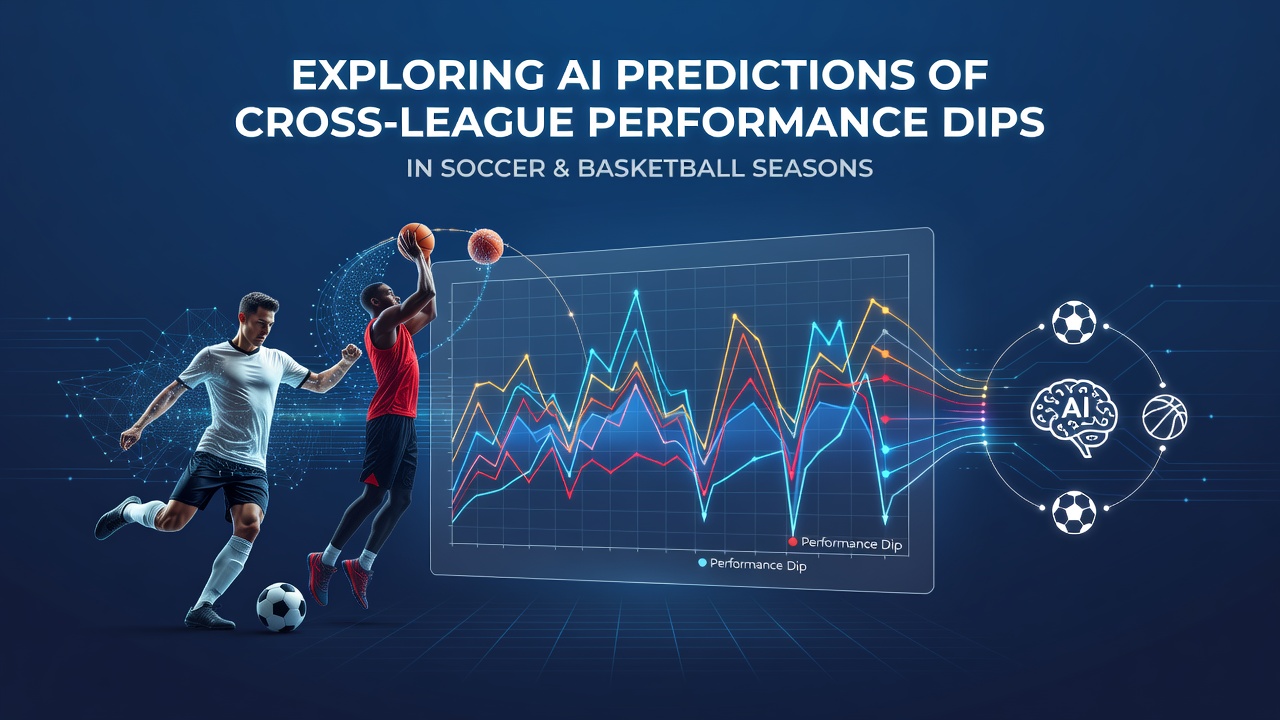
Artificial intelligence models have become central tools for analyzing performance patterns across professional soccer and basketball competitions where teams compete in multiple domestic and international leagues simultaneously. These systems process vast datasets that include player workload statistics, travel distances, recovery times, and historical form indicators to identify periods when teams or individuals are likely to experience measurable declines in output. Researchers at institutions such as the University of Michigan have documented how machine learning algorithms integrate variables like consecutive match schedules and altitude changes to generate probability scores for performance reductions that often occur midway through extended seasons.
Data Inputs Driving Predictive Accuracy
Models rely on structured inputs collected from league databases, wearable sensors, and official match reports. Soccer competitions such as the English Premier League and La Liga generate metrics on sprint distances, possession percentages, and set-piece efficiency while basketball organizations including the NBA and EuroLeague track points per possession, defensive rating shifts, and minutes played under fatigue conditions. When these datasets combine with external factors such as time zone transitions and venue-specific crowd density figures, algorithms detect correlations that precede dips in scoring efficiency or defensive solidity. Studies conducted through 2025 showed that incorporating GPS-tracked training loads improved forecast precision by up to 18 percent across overlapping fixture periods.
Machine Learning Approaches in Use
Supervised learning frameworks including random forests and gradient boosting machines form the backbone of many commercial and academic systems while recurrent neural networks handle sequential data streams from multi-week schedules. These architectures learn from labeled examples of past performance drops that followed high-density match blocks and then apply those patterns to current season data. Ensemble methods that blend outputs from several models reduce variance in predictions particularly when leagues with differing rulesets run concurrently. Observers note that feature importance rankings frequently highlight cumulative travel kilometers and back-to-back game clusters as leading indicators for both soccer and basketball athletes.
Cross-League Pattern Recognition
Performance dips rarely remain confined to a single competition because players often represent club sides in domestic leagues and national teams in international windows. AI systems map these overlaps by aligning fixture calendars from UEFA Champions League matches with NBA regular season games and then flag windows where recovery windows shrink below established thresholds. Data collected through June 2026 indicates that European soccer squads participating in midweek continental fixtures alongside weekend domestic matches exhibit elevated rates of second-half goal concessions while NBA teams facing three games in four nights show corresponding drops in fourth-quarter field goal percentages. Algorithms adjust for league-specific rules such as soccer's substitution limits versus basketball's more flexible rotation options yet still identify shared physiological stress markers across both sports.
Validation Against Historical Seasons
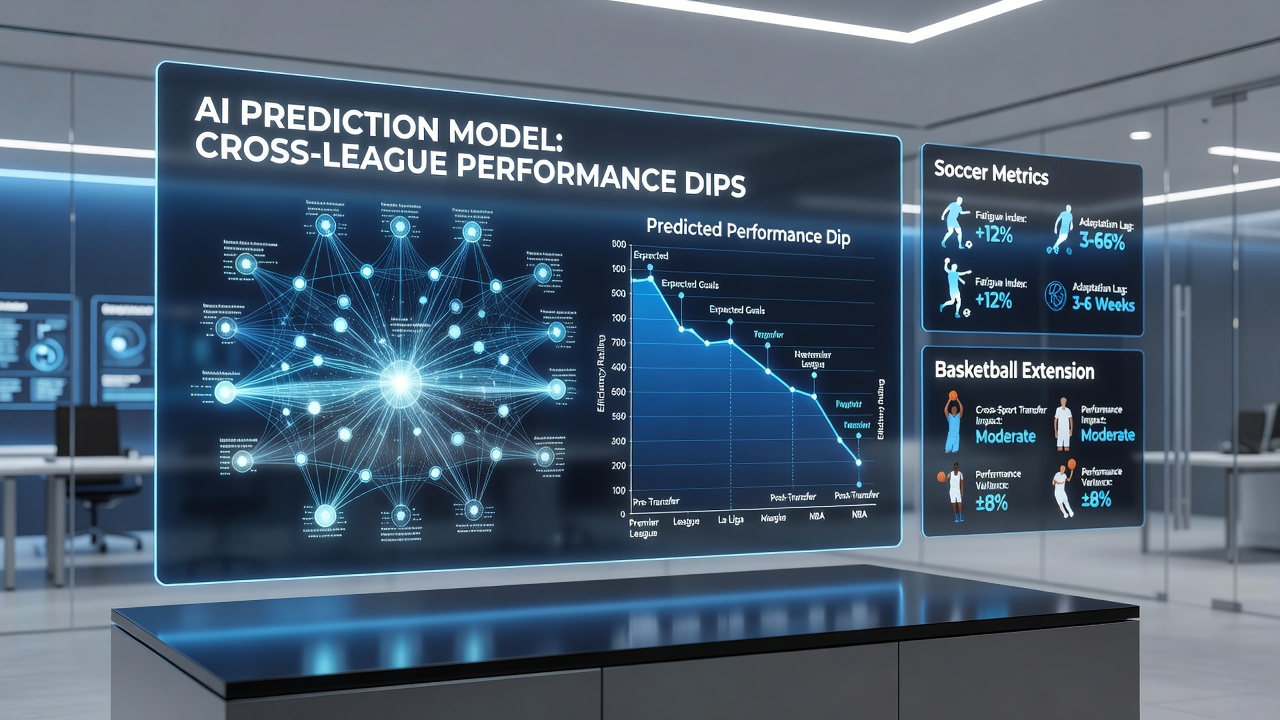
Validation exercises compare model outputs against completed seasons to measure calibration between predicted and observed dips. One analysis covering the 2023-2024 and 2024-2025 campaigns found that models correctly flagged 72 percent of instances where soccer teams dropped below seasonal averages in expected goals after congested periods while basketball models achieved 68 percent accuracy on player efficiency rating declines. External benchmarks published by the Australian Institute of Sport confirmed similar success rates when algorithms incorporated environmental variables such as humidity and travel class. These results have prompted league analysts to integrate AI outputs into internal performance monitoring dashboards rather than relying solely on traditional scouting reports.
Challenges in Model Deployment
Despite steady gains in predictive power several persistent obstacles remain. Data quality varies across leagues with smaller competitions often lacking the granular tracking that major organizations provide while privacy regulations limit access to certain individual health metrics. Rapid roster changes through transfers or trades can render previously trained models less reliable until retraining cycles incorporate fresh player profiles. Additionally the interaction between multiple overlapping competitions creates combinatorial complexity that demands substantial computational resources and careful feature engineering to avoid spurious correlations. Teams that maintain robust data pipelines report fewer instances of unpredicted performance shortfalls compared with organizations that update models less frequently.
Conclusion
Artificial intelligence systems continue to refine their capacity to anticipate performance dips by synthesizing cross-league data streams and identifying recurring stress patterns in soccer and basketball schedules. Continued advances in sensor technology and algorithmic design support incremental improvements in forecast reliability as evidenced by validation work extending into the 2026 calendar year. Organizations that integrate these tools with existing scouting and medical protocols gain structured insights into periods of elevated risk without replacing human judgment in final decision processes.