5 Aug 2026
Frost Depths at Northern Tracks Shape Speed Figures and Winter Card Odds
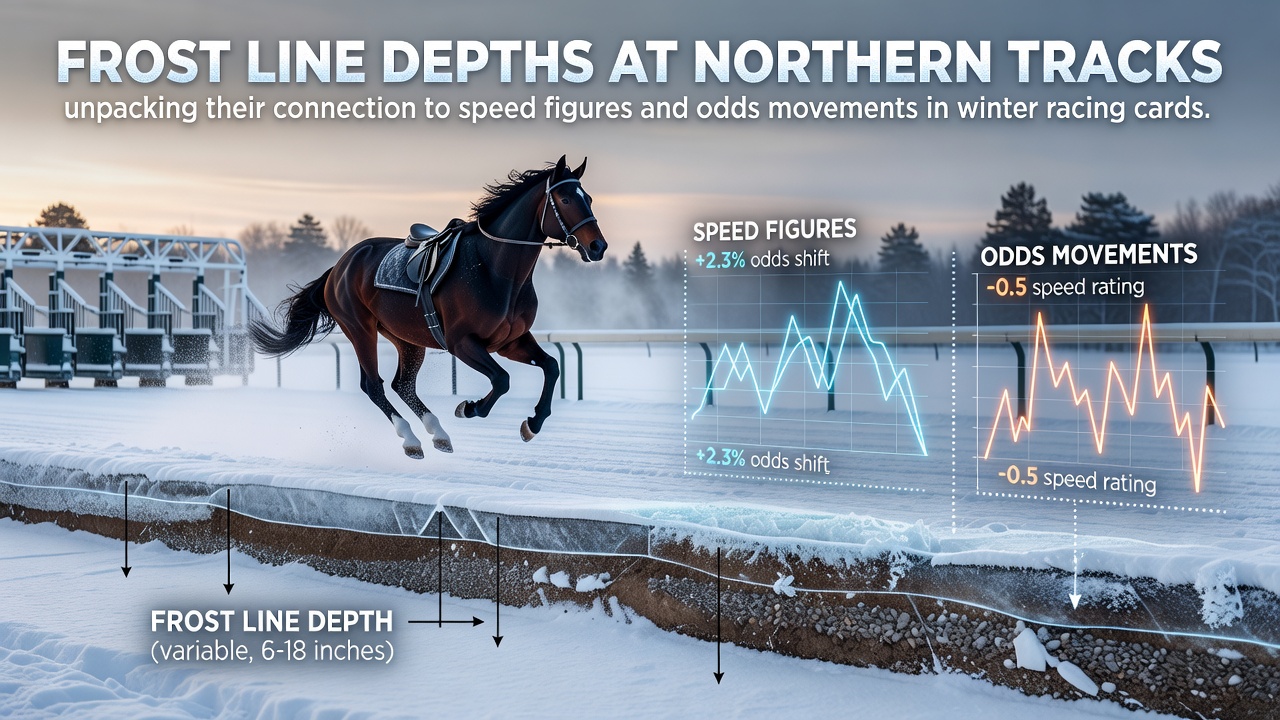
Northern racing venues experience seasonal ground changes when frost penetrates the soil, and these shifts alter track surfaces in measurable ways that affect both equine performance data and market pricing on winter cards. Researchers track frost line depths through soil temperature probes, and data from multiple meets show consistent patterns where deeper frost correlates with firmer footing that produces faster raw times before adjustments occur.
Measuring Frost Line Variations Across Regions
Soil scientists at institutions such as the University of Minnesota have documented frost penetration rates at northern tracks, and their records indicate depths often range from 12 to 36 inches depending on sustained air temperatures and snow cover insulation. Tracks in the Midwest and Northeast United States record deeper lines during prolonged cold spells, whereas Canadian venues like Woodbine report similar readings when protective measures such as straw mulch are not applied. These measurements feed directly into condition reports issued by racing officials each morning, and the resulting ground classifications influence how clockers and handicappers interpret workout and race times.
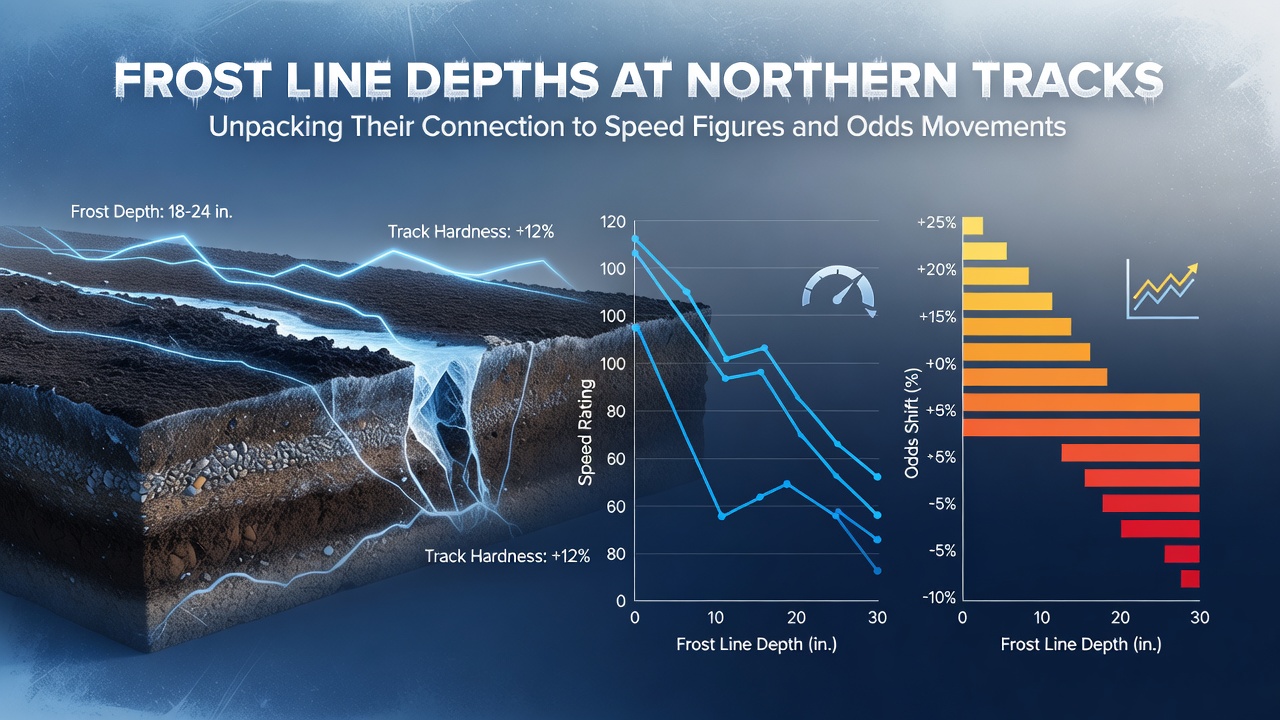
Observers note that frost lines rarely remain static throughout a meet, and daily temperature swings create layered effects where surface crust forms over softer subsoil. This layering changes traction for different hoof types and leads analysts to recalibrate expected pace scenarios on a race-by-race basis. Data collected over multiple winters at tracks such as Aqueduct and Hawthorne demonstrate that frost depths exceeding 24 inches frequently produce speed figures elevated by four to eight points compared with thawed conditions at the same venue.
Adjustments to Speed Figures Under Frozen Conditions
Speed figure compilers incorporate frost depth readings into their daily calculations because harder surfaces transmit force more efficiently and reduce energy loss during stride impact. Organizations that publish these figures, including those affiliated with The Jockey Club, apply standardized modifiers once official reports confirm frost presence at specific depths. Studies from agricultural extension services show that each additional six inches of frost penetration can increase average winning times by roughly 0.5 seconds per furlong when other variables remain constant, and compilers translate these time gains into numerical adjustments that reflect true ability rather than surface assistance.
Handicappers who follow northern circuits during December through March often review archived frost data alongside past performance lines, and this cross-referencing reveals repeatable trends. One documented case at a Midwest track involved a card where frost reached 30 inches, and subsequent speed figure revisions moved several horses' ratings upward enough to alter their placement within par lines used for class assessment. Such revisions occur after the races conclude, yet they still inform future odds compilation because bettors and oddsmakers integrate the updated metrics into their models.
Odds Movements Linked to Frost-Related Data
Oddsmakers monitor frost depth reports released by track management and adjust morning lines accordingly, because surface hardness directly influences expected finishing times and therefore implied probabilities. When frost lines deepen overnight, morning line odds on speed-oriented runners typically shorten as the market anticipates faster overall times, while closers may drift as their historical closing ability appears less pronounced on firmer footing. Industry reports from the Association of Racing Commissioners International indicate that these initial line movements often amplify once betting opens, with public money following the adjusted speed figures that circulate through data providers.
Patterns emerge across winter cards where frost depth announcements coincide with measurable odds volatility in the hours before post time. A review of archived wagering data from northern meets reveals that races held on days with frost depths above 20 inches experience wider morning-to-post spreads for mid-pack horses whose past races occurred on different surfaces. Bettors who track these correlations use soil temperature logs published by state agricultural departments to anticipate where value may appear once the market incorporates the latest condition updates.
Case Examples from Recent Northern Meets
During one January card at a northeastern track, frost reached 28 inches and speed figures for the main track races increased by an average of five points compared with the prior week. Several horses that had posted modest raw times on thawed surfaces recorded adjusted figures that placed them higher in class rankings, and their odds shortened noticeably in the final betting pools. Similar observations occurred at a Canadian venue in February when overnight frost deepened after a brief thaw, prompting oddsmakers to revise lines on early speed horses downward while late runners drifted in response to the firmer surface profile.
These examples illustrate how frost depth data integrates into the broader information flow that shapes both performance metrics and market prices. Track officials continue to refine measurement protocols, and researchers examine correlations between frost layers and injury rates as part of ongoing safety assessments.
Conclusion
Frost line depths at northern tracks supply a measurable variable that racing analysts incorporate into speed figure calculations and that oddsmakers use when constructing winter card pricing. Consistent data collection across multiple venues demonstrates repeatable connections between soil conditions and both performance numbers and odds movements, and these patterns remain central to handicapping winter racing throughout affected regions.