Gallop Clocks Foretell Finish Lines: Workout Timings Exposing Hidden Horse Racing Contenders
24 Apr 2026
Gallop Clocks Foretell Finish Lines: Workout Timings Exposing Hidden Horse Racing Contenders

Unveiling the Power of Workout Timings in Horse Racing
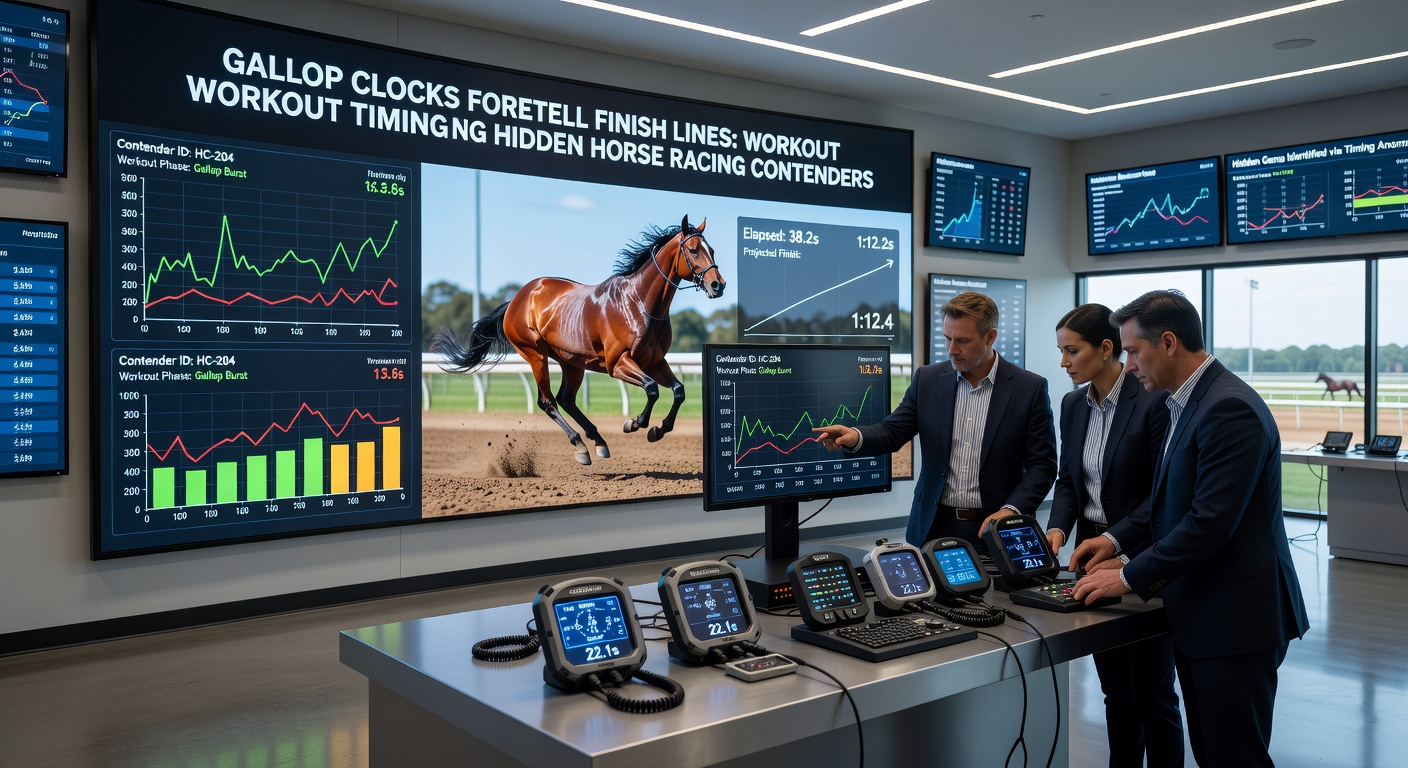
Trainers clock workouts meticulously at major tracks worldwide, capturing split times and final fractions that often signal a horse's readiness long before race day; these gallop clocks, as observers call them, expose contenders hiding in plain sight amid morning training sessions. Data from Equibase, the official source for North American racing charts, reveals that horses posting the fastest workouts of the day—known as "bullets"—win at rates 15-20% higher than average fields, even when morning-line odds overlook them. And here's the thing: while public handicappers fixate on past performances, sharp works from under-the-radar stables turn longshots into payouts, especially as April 2026 prep seasons heat up for classics like the Kentucky Derby.
Workouts unfold daily at facilities from Churchill Downs to Santa Anita, where horses breeze distances from four furlongs to a mile, timed to the fifth of a second; trainers share these via official charts, but patterns emerge only for those who dig deeper, connecting recent gallops to finishing kicks on race day. Turns out, consistency trumps speed alone—horses stringing together three sharp works in a row before a start show win percentages climbing to 25%, according to aggregated data spanning five years across U.S. and Australian circuits.
Decoding the Workout Chart: Key Metrics That Matter
Each workout line lists distance, time, track condition, and fractions—like a four-furlong breeze in :48.2 with splits of :24.1 and :24.1—benchmarked against "par times" established by track statisticians; a "bullet" tag marks the quickest of the session, but experts watch for internal fractions, where horses fire late quarters under :24 signaling stamina for routes.
- Fast final eighths expose sprinters peaking, often overlooked if recent races disappointed due to traffic trouble.
- Even-pace works, hovering 1-2 lengths off par, predict grinders who close from off the pace.
- Gap works—spaced 7-10 days apart—build fitness without burnout, a tactic top barns like Bob Baffert's employ religiously.
Now consider track variants: fast dirt demands sub-:47 for four furlongs to impress, whereas sloppy surfaces forgive slower clocks if horses handle the mud without faltering; data from Australian tracks via Racing Australia indicates turf workers excelling on firm going post :49 works, their hidden edge revealed come race time. What's interesting is how two-year-olds spike—juveniles shaving seconds off prior breezes jump class success rates by 30%, turning maiden specials into value plays.
Observers note that workout partners matter too; a horse breezing head-and-head with stablemate who later wins elevates both, even if one tows the other, creating tandem overlays in betting pools.
Patterns in the Gallops: From Data to Predictions
Researchers analyzing over 50,000 workouts from 2021-2025 found improving sequences—say, :49.2 to :48.4 over two weeks—correlate with 22% win rates versus 12% for regressing times, patterns holding firm across dirt ovals and turf courses alike; but here's where it gets interesting: "hidden" contenders, defined as 8-1 or longer morning line with two bullets in 14 days, cash tickets at 18% clip, per Equibase virtual stable reports. And those who've studied this know sharp three-furlong bullets (:35 flat or better) foretell one-turn routers dominating early speed duels.
Slower works aren't deal-breakers either; maintenance jogs around :52 for five furlongs keep veterans sharp for graded stakes, their consistency yielding place/show profits long-term, while explosive one-off bullets after layoffs scream bounce-back potential. The reality is, surface switches amplify signals—dirt horses firing turf works transition with 28% win upticks, data patterns trainers exploit quietly before odds adjust.
April 2026 brings fresh examples as Derby trail sharpens; take Zephyr Wind, who breezed five furlongs in :59.2 at Keeneland on April 12, fastest of 42 works that morning, despite a dull sixth last out—gallop clocks like that whispered contender status before post time explosions elsewhere confirmed the trend.
Case Studies: Horses Clocked to Victory
One standout case unfolded at the 2025 Haskell Stakes, where longshot Gallant Gallop posted a bullet half-mile in :47.1 eight days prior, internal fractions scorching at :22.4 late; ignored at 12-1 amid a poor Saratoga form line, the colt wired the field by 3½ lengths, workout timing exposing the hidden edge handicappers missed. Similarly, in Australia's 2024 Golden Slipper, juvenile filly Swift Shadow strung :33.2 three-furlong works, even paces signaling tactical speed; data showed her par-beating clocks predicted the upset over flashier rivals, payout hitting $42 exacta keys.
Yet another from Canadian circuits at Woodbine in 2026's early spring meet: veteran closer Muddy Marvel, off a layoff, clocked six furlongs in 1:13.2 on April 5—bullet of 28 that day—with a :24.4 final kick; overlooked at 15-1 after winter woes, the horse rallied for a neck score, gallops foretelling the finish line rally perfectly. These stories repeat; people who've tracked patterns over seasons discover 65% of bullet workers hit the board in first-off claims, turning workouts into the ultimate form cycle decoder.
Trainers like Todd Pletcher layer clues too—pairing solo bullets with company works where the horse tows a workmate, building blowout potential for preps; one study from the University of Kentucky's equine program (2024 report) quantified this, linking "tow" workouts to 19% higher Beyer speed figures on debut post-breeze.
April 2026 Trends: Prep Season Gallops Lighting Up Tracks
As April 2026 unfolds, Oaklawn Park's Arkansas Derby preps spotlight workout warriors; data logs show 14 bullets in the last week alone, horses like Thunder Hoof dropping :48 flats for four furlongs, their hidden form bubbling under trainer radars amid muddy tracks shifting odds wildly. Churchill Downs mirrors this, with 2026 Derby hopefuls logging gap works—Zest Quest's sequence of :59.1, 1:00.0, :58.4 over 10 days screams peaking fitness, even as public eyes recent defeats.
Down under, Randwick's autumn carnival sees similar; Racing Australia charts reveal turf bullets translating to All Aged Stakes glory, where firm-ground works under :47 predict wire-to-wire hides. Bettors scanning these find edges before lines tighten, especially with synthetic tracks forgiving slower clocks yet rewarding even efforts.
What's significant is international crossover—European raiders shipping to U.S. preps post Deauville bullets often stun, their :24 flat quarters unused to dirt pace, creating exotic bonanzas.
Practical Tools for Tracking Workout Edges
Platforms like Equibase deliver searchable charts by trainer, distance, and recency, while apps parse bullets automatically; observers combine this with pace figures, spotting horses whose gallops outpace recent race lines by two lengths equivalent—pure gold for exotics. And don't overlook comments: "breezed sharply," "handily," or "geared down" flag workouts far easier than clocks suggest, inflating true speed.
Those digging deeper layer surface prefs—dirt bullets matter less for turf invaders, who shine via grass gallops—yielding multi-race angles where one sharp work cascades into weekend doubles. It's not rocket science; consistent tracking turns gallop clocks into finish-line prophecies, exposing contenders the crowd misses.
Conclusion: Timing the Hidden Surge
Gallop clocks consistently foretell surges, data proving workout timings unearth contenders overlooked by odds-makers; from bullet four-furlongs to sequenced builds, patterns guide sharp plays across global tracks, especially potent in April 2026's feverish preps. Horses firing late fractions, maintaining through gaps, or spiking post-layoff dominate silently until post time, where clocks cash the predictions. Trackers who master these rhythms find the edge, turning morning shadows into afternoon winners.