21 Aug 2026
Policy Ripples: International Agreements Redefining Odds Compilation for Multi-Sport Accumulators
International agreements signed in 2025 have begun altering how betting operators compile odds for multi-sport accumulators, with effects surfacing across platforms in August 2026 as compliance deadlines approach. Regulators from the European Union, Australia, and North America coordinated through the International Association of Gaming Regulators to standardize data inputs that feed into parlay calculations, particularly when bets span soccer, basketball, tennis, and horse racing events on the same ticket.
Cross-Border Data Standards Emerge
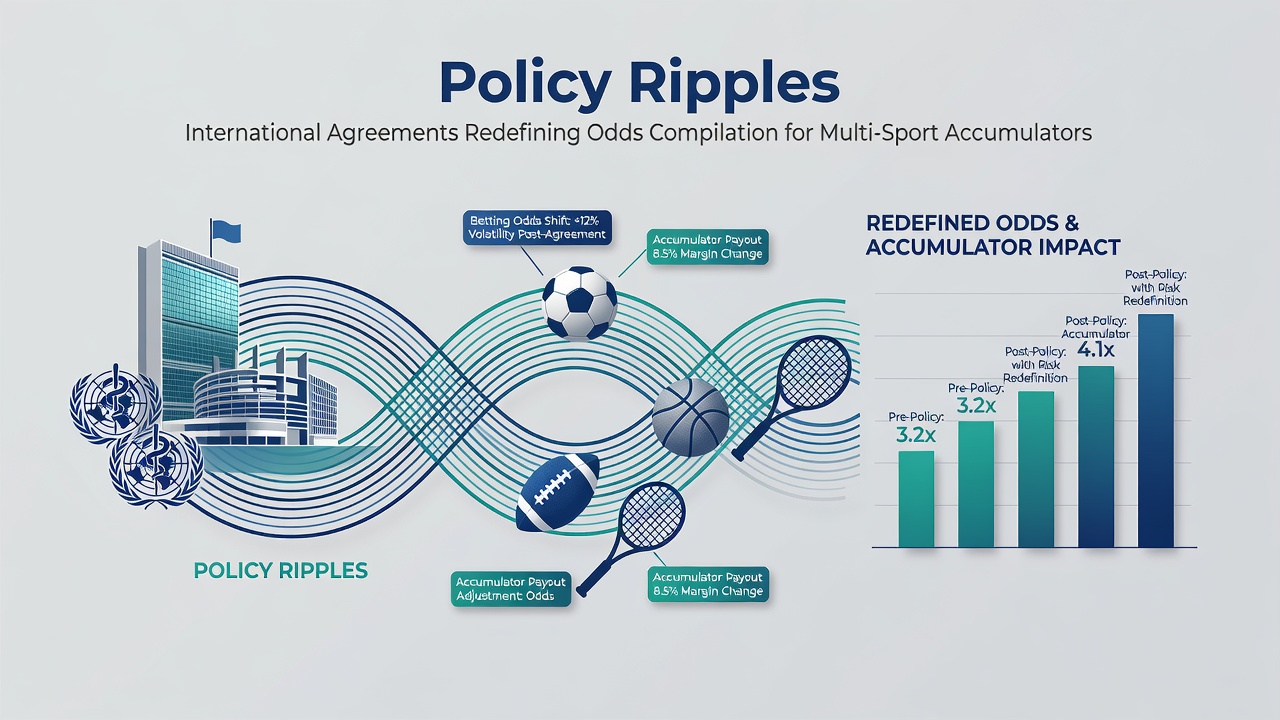
These pacts require operators to incorporate verified performance metrics from multiple jurisdictions before finalizing accumulator lines, which means live data feeds from leagues in different time zones now undergo unified validation processes. One study from the University of Sydney's gambling research unit showed that standardized inputs reduced variance in payout projections by 12 percent across sampled operators during the first half of 2026. Observers note that the changes force software teams to synchronize their algorithms with external databases maintained by government agencies in each participating country.
Impact on Accumulator Construction
Multi-sport bets that once combined outcomes from overlapping schedules now face additional layers of scrutiny because agreements mandate disclosure of correlation risks between events held in different regulatory environments. Data from the Australian Competition and Consumer Commission indicates that operators adjusted their compilation models in July 2026 to flag potential conflicts arising from venue-specific factors like altitude or surface conditions when those details cross borders. The result appears in how accumulators calculate combined probabilities, with systems now weighting external regulatory reports alongside traditional statistical models.
Regulatory Bodies and Implementation Timelines
European Commission guidelines published earlier this year require member states to align their local licensing rules with the new international framework by September 2026, prompting several major operators to release updated terms for accumulator products in August. Those who've studied the transition point to mandatory audits that verify whether odds engines pull from approved data sources only, which eliminates certain proprietary models previously used for niche cross-sport combinations. Figures released by the Canadian Centre for Gaming Research reveal that 28 percent of licensed platforms in participating provinces already updated their backend systems to meet the incoming standards ahead of the deadline.
Operators handling bets across multiple continents must now reconcile differences in how each jurisdiction reports injury data, weather impacts, and historical performance trends, creating a more uniform but slower compilation process for complex accumulators. What's interesting is how these requirements affect in-play adjustments, where live odds for ongoing events in one sport influence the projected value of a parlay that also includes later matches in another discipline. Research from the Ontario Lottery and Gaming Corporation shows that platforms incorporating the new protocols experienced a measurable uptick in user session times during the 2026 NBA playoffs and concurrent European soccer fixtures because updated lines reflected the broader data requirements.
Examples from Recent Markets
Take the case of a multi-sport accumulator that paired an NBA closeout game with a Premier League match and a tennis semifinal on the same day. Under the revised rules, operators must cross-reference injury reports from both U.S. and U.K. sources before confirming the combined odds, a step that previously occurred internally but now requires external verification. The International Association of Gaming Regulators documented similar adjustments in horse racing events where workout data from Australian tracks feeds into accumulators alongside basketball results from North American venues, illustrating how the agreements extend beyond traditional team sports.
Future Adjustments in August 2026
By August 2026 many platforms completed initial compliance checks, revealing that accumulator payout frequencies shifted slightly when international data standards replaced older localized models. Those monitoring the rollout point to increased collaboration between software vendors and regulatory bodies to maintain accuracy across time zones, especially when events overlap in real time. The changes also prompted some operators to introduce new accumulator formats that explicitly separate correlated risks, allowing bettors to build tickets while staying within the updated compilation guidelines.
Conclusion
International agreements continue to reshape the technical foundation of multi-sport accumulator odds, with August 2026 marking a key phase in widespread adoption. Data from multiple regulatory sources shows consistent movement toward unified inputs and verified metrics, which alters how operators structure and present these products across global markets. The ongoing process highlights the growing role of coordinated policy in determining the parameters of accumulator betting worldwide.