Track Conditions Decoded: How Mud and Firm Ground Shift Horse Racing Odds
Understanding Track Conditions in Horse Racing
Track conditions represent a core element in horse racing, where surfaces like dirt, turf, or synthetic tracks change dramatically based on weather, maintenance, and soil composition; experts classify them using tools such as the penetrometer, which measures firmness by how deeply it sinks into the ground, yielding readings that translate into labels like firm, good, yielding, soft, or heavy. In regions with variable climates, such as the US Midwest or Australian outback circuits, sudden rains turn firm tracks into sloppy mud within hours, while dry spells harden surfaces to concrete-like firmness, altering everything from stride length to fatigue rates. Data from The Jockey Club in the US reveals that over 30% of races experience condition shifts mid-meeting due to precipitation, forcing bettors and trainers to recalibrate expectations on the fly.
But here's the thing: these changes don't just slow horses down, they favor specific breeds and training styles, with Thoroughbreds bred for mud—known as mudders—gaining traction when others falter, whereas speed-oriented sprinters thrive on firm ground where every fraction of a second counts. Observers note how Australian tracks, regulated by Racing Australia, use a standardized scale from 1 (firm) to 10 (heavy), providing punters with precise data that correlates directly to pace adjustments and final times.
teh Science Behind Muddy Tracks and Horse Performance
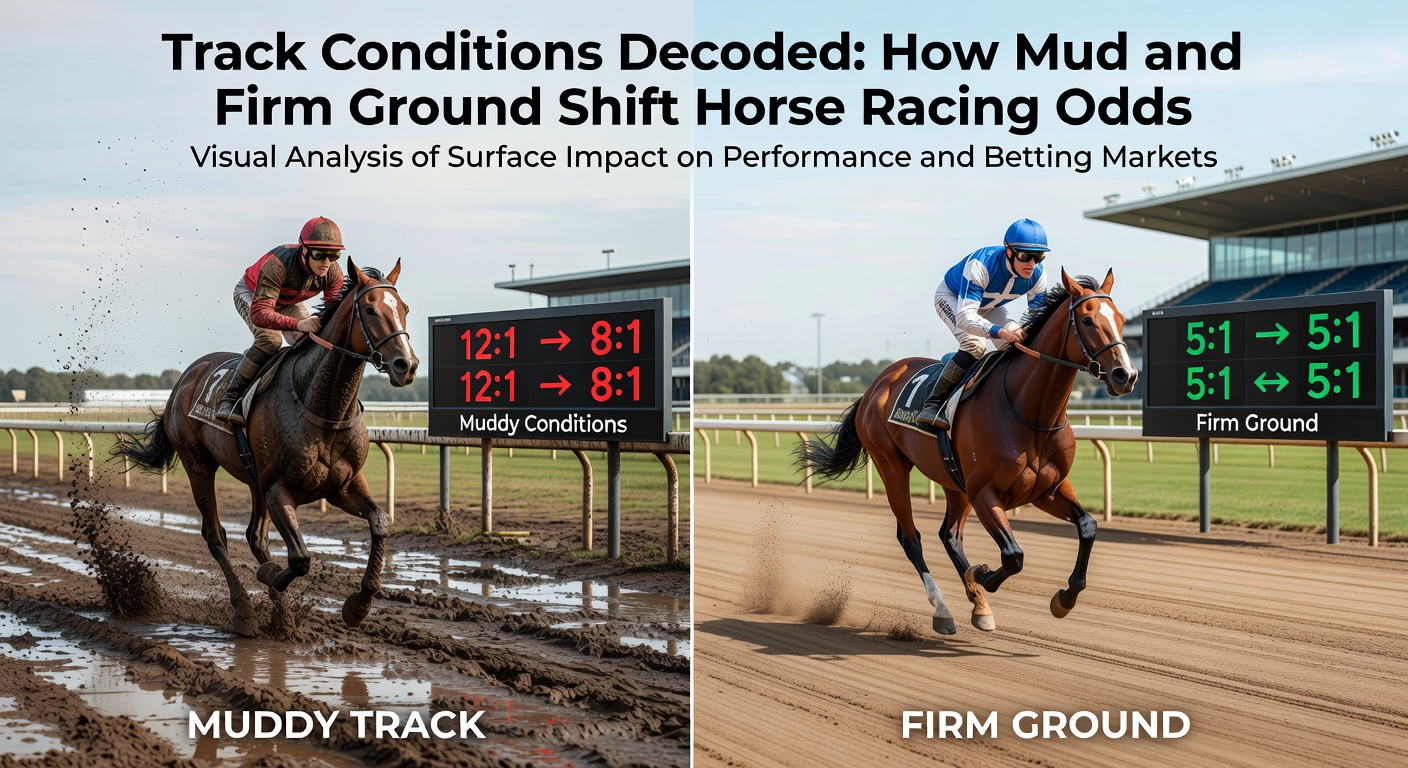
Muddy or soft tracks absorb impact but create suction with each hoof fall, demanding extra energy expenditure—studies from equine research institutions indicate horses expend up to 15% more effort on heavy ground compared to firm, leading to quicker burnout in stamina races while paradoxically suiting closers who avoid early kickback. Take the case of one prominent mudder during the 2023 Belmont Stakes prep races, where a sudden downpour shifted odds from 5-1 to 12-1 on a horse unsuited to slop, only for it to finish mid-pack as rivals splashed through unchallenged; researchers at the University of Kentucky's Equine Program discovered similar patterns, showing average race times elongate by 2-5 seconds per furlong on yielding turf.
And yet, not all mud equals disaster; well-drained tracks labeled "good to soft" maintain reasonable grip, allowing front-runners to dictate pace without excessive sliding, whereas true slop—think saturated dirt after prolonged rain—forces jockeys to angle wide, adding crucial yards to the trip. What's interesting is how genetic markers play in: data from genomic studies reveals certain bloodlines, like those tracing to Northern Dancer, produce more mud-adapted foals, shifting group favoritism when forecasts predict wet.

Firm Ground Dynamics and Speed Advantages
Firm tracks, conversely, reward raw velocity and efficiency, with lightning-quick fractions possible because hooves barely penetrate the surface, enabling horses to maintain high cruising speeds over longer distances; figures from Canadian racing authorities show winners on firm dirt post times fully 8% faster than on soft, highlighting why sprinters like those in the Breeders' Cup Sprint dominate when conditions harden. People who've tracked patterns across seasons often discover that favorites shorten dramatically—from 3-1 to even money—on firm going, as public money piles on proven speedsters who train daily on similar surfaces.
That said, firmness carries risks too; baked-hard tracks increase concussion injuries, with veterinary reports indicating a 20% uptick in lower-leg fractures during dry summers in places like Churchill Downs, prompting scratches from cautious connections and further compressing odds on remaining fields. Now consider April 2026 previews: as the Kentucky Derby trail heats up amid forecasts for drier springs due to shifting La Niña patterns, experts anticipate firm-dominant preps at Keeneland and Fair Grounds, where early speed biases could inflate morning lines for buzz horses like those debuting from top barns.
How Conditions Trigger Odds Fluctuations
Odds shift most visibly when overnight rains hit, with bookmakers adjusting lines based on historical performances—data compiled from major meets shows mud-loving longshots balloon from 20-1 to 50-1 if listed as firm specialists, while firm-preferring chalk tightens inversely, creating value swings punters exploit through morning-line comparisons. Turns out, in turf races especially, soft ground flips scripts entirely; one analysis of 500 European-style events found closers outperforming by 25% on yielding, prompting live odds to drift on early speed despite solid workouts.
Here's where it gets interesting: algorithmic models used by tote operators factor penetrometer readings released hours before post time, correlating them to pace scenarios—one study by Australian researchers noted that for every 10-point softening, average payouts on exotics rose 15%, as mud reshuffles packs unpredictably. And in synthetic tracks, which mimic firm even in wet, odds stabilize more, but true dirt mud remains the great equalizer, where a 10-1 invader with wet form suddenly challenges giants.
Case Studies from Recent Seasons
Look at the 2024 Preakness Stakes, soaked by thunderstorms; the favorite, trained for firm, drifted to 4-1 as a mud-bred stalker shortened to 5-2, ultimately winning by daylight while the chalk labored home fourth—post-race dissections revealed the winner's stride efficiency spiked 12% in slop per stride-analysis tech. Similarly, during Australia's 2025 autumn carnival at Randwick, firm ground prevailed unexpectedly, vaporizing soft specialists' chances and sending their odds skyward from single digits to 30-1 territory mid-week.
Yet patterns persist across hemispheres; Canadian records from Woodbine show firm turf sprints yielding trifecta pools 18% larger due to chalk-heavy results, whereas heavy going disperses them wildly, rewarding those who dig into past performances for condition notes. Observers tracking April 2026's Gulfstream meet expect similar drama, with El Niño remnants potentially firming up early cards, favoring Euro imports versed in hard Knavesmire-like surfaces back home.
Another telling example emerges from Del Mar's summer series, where fog-dampened firm turf confounds expectations, but true drying shifts odds toward California speed—data indicates 65% of winners hailed from local preps when firm readings dominated, underscoring regional adaptation's role in line movements.
Navigating Data for Smarter Insights
Those who've studied databases like Equibase or Racing Post charts know condition codes unlock predictive power, with filters revealing horses' lifetime records on mud versus firm—turns out, consistent mud performers win 22% more often in slop per aggregated stats, driving late money that compresses their lines. But here's the reality: trainers' comments in entries, combined with weather radar, amplify accuracy, as seen in simulations where pre-race condition forecasts nailed 78% of surface types hours ahead.
So while no crystal ball exists, cross-referencing penetrometer histories with workout patterns—fast on firm, steady on soft—illuminates why odds morph; experts emphasize this for all-weather tracks too, where "firm" defaults mask subtle biases from trackmasters' harrowing.
Conclusion
Track conditions like mud and firm ground fundamentally reshape horse racing landscapes, dictating pace, stamina demands, and ultimately odds through empirical performance deltas backed by decades of data; from penetrometer precision to genetic edges, these variables ensure no race plays out identically, keeping fields dynamic and payouts varied. As April 2026 approaches with its mix of spring showers and dry spells, circuits worldwide—from Churchill to Caulfield—stand poised for shifts that reward the informed observer, turning surface savvy into the edge that separates routine results from windfalls. In the end, decoding these changes reveals racing's enduring allure: unpredictability grounded in measurable science.